
- functional gastrointestinal disorder of infancy
- In 5-20% healthy infants
- Selflimiting
- Resolve by 5mo of age
The most accepted definition of colic uses the ROME IV criteria:
- less than 5 months of age
- recurrent and prolonged episodes of unexplained crying, irritability or fussiness
- cannot be resolved or prevented by caregivers
- has no apparent failure to thrive, fever or illness.
Pathophysiology
- The exact etiology of colic is unknown
- organic (neurodevelopmental and gastrointestinal) and psychosocial components
- alterations in the intestinal microbiome (lactobacillus)
- Increased levels of pathogenic Gram-negative organisms
- presence of lactose-fermenting organisms
Red Flag Signs and Symptoms in Assessment of Infant Colic
- Fever (medical emergency in infants <3 months) or lethargy
- Weight loss, dehydration or failure to thrive
- Diarrhea, blood-streaked or mucousy stools
- Frequent regurgitation, vomiting, abdominal distension
- Extreme or high-pitched crying
- Parental mood disorders (anxiety or depression)
- Maternal drug ingestion (illicit or pharmacologic)
- >5 months of age
- Lack of predictable diurnal rhythm
- Family history of migraine or atopy
- <2w of age (colic unlikely) see algorithm
**excessive infant crying has been associated with an increased risk of physical child abuse.
Non Pharmaco :
- Depends on the cause + Lack of evidence
- Management strategies for crying babies
- Physical methods:
**carrying, rocking..etc
** bicycle motion
**warm bath (no heating pads!)
- Environmental methods:
**white noise NOT recommended (can damage ear)
**increased carrying, swings are NOT effective
- Behavioural Management:
**document crying and fussing help Dr to establish patterns
**routine schedule for feeding, playing ..etc
- Dietary Manipulation : require specialized follow up
**Breastfeeding :
*empty one breast at each feed
*dietary modification should be approached with caution
foods noted to aggravate colic: cabbage, broccoli, caffeine, citrus fruit and chocolate.
**Formula Feeding:
*Substituting standard formulas with hypoallergenic (casein hydrolysate, whey hydrolysate or amino acid–based) formula (but only if there is confirmed allergy to cow milk Potein)
* soy protein–based , low iron, lactose reduced formulas are NOT recommended.
* if formula change made and no improvement in Sx after 1w, stop
**Feeding Techniques: vertical, burped, use correct bottle and nipple size
Pharmaco:
- Weak evidence
- Probiotics:
**specifically Lactobacillus reuteri (first choice)
**alternative : Bifidobacterium animalis
**** Products available : BioGaia
- Sucrose (saccharose):
**2nd line after probiotics
**useful but short acting (1-45min) : 12% and titrate to 24% after 7days if innefective
** Products available : DandleLion Kisses
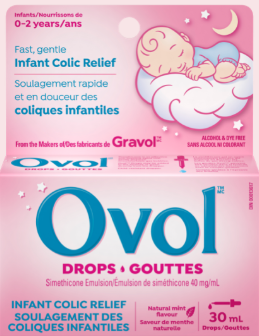
- Simethicone:
**only drug approved (placebo effect?) safe option
**Dicyclomine is NOT recommended (cause apnea)
**** Products available : Ovol
Dosing simethicone from lexicomp:
Neonate (including newborn) and <2 years weighing <10.9 kg: :
20mg 4 times daily as needed after meals and at bedtime;
maximum daily dose: 240 mg/24 hours
<2 years weighing ≥10.9 kg and Children ≥2 to <12 years:
40 mg 4 times daily as needed after meals and at bedtime.
Maximum daily dose: 480 mg/24 hours
Children ≥12 years and Adolescents:
40 to 125 mg 4 times daily as needed after meals and at bedtime;
with some formulations, may administer a single 250 mg dose if needed;
maximum daily dose: 500 mg/24 hours
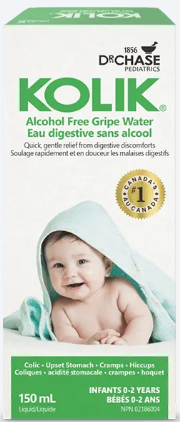
- Fennel preparations
exp:fennel oil
NOT recommended because lack of standarized products
Products: Kolik (the green box: fenouil + bicarb, the blue has dft ingredients+alcohol)
for 0 age and over
Reference: eCPS Aug 2022, lexicomp, RxVigilence